Comprehensive, neuroaffirming autism assessments in Heidelberg & Fairfield — across the lifespan, from early childhood to adulthood.
If you or your child experience differences in communication, social interaction, sensory processing or routines, a comprehensive autism assessment can offer real understanding — not just a label.
This helps you:
- Understand behavioural & communication differences
- Gain diagnostic clarity
- Access support pathways
- Understand strengths, not just needs
Why Families Choose Us
✔ Neuroaffirming, compassionate approach
✔ Interviews, observation & standardised tools
✔ Comprehensive, plain-language reports
✔ For children, adolescents and adults across the lifespan
Not sure if an autism assessment is the right fit? Speak with our team first and we’ll help you understand what’s involved.
A thorough, honest look at how someone experiences the world
An autism assessment maps strengths and challenges together, and gives you something practical to act on, whether or not autism is the outcome. For background on what autism actually is, Amaze is a good place to start reading.
- Children, teens and adults
- Comprehensive or brief options
- No referral required
Who Conducts the Assessment?
Provisional vs registered psychologist — what’s the difference?
Our fees are structured around this distinction, so it’s worth understanding upfront.
Provisional Psychologist
Completing their final year of supervised practice. Every report is reviewed and signed off by their individual supervisor before it’s issued, and carries the same standing for schools, workplaces and NDIS applications as a registered psychologist’s report.
Registered Psychologist
Fully qualified and working independently, without a supervision requirement on the report itself.
What It Involves
Interviews, observation, testing – then a clear answer
An autism assessment in Melbourne pulls together observation, structured interviews, standardised testing and feedback from people who know the person well. Each piece adds a different angle, so the final picture isn’t based on any single conversation or checklist.
Why People Go Ahead
What an assessment actually gives you
A name for the experience
Understanding autism as an explanation, not a flaw, often changes how someone — especially a child — sees themselves for the better.
A clear answer
Whether or not the outcome is a diagnosis, you leave with a genuine, evidence-based answer rather than an ongoing guess.
Insight into how the brain works
How someone processes information, communicates and takes in the world — practical detail, not just a label.
A starting point for goals
Specific, informed recommendations for social, communication, emotional or academic support — not generic advice.
What’s Involved
The full assessment, step by step
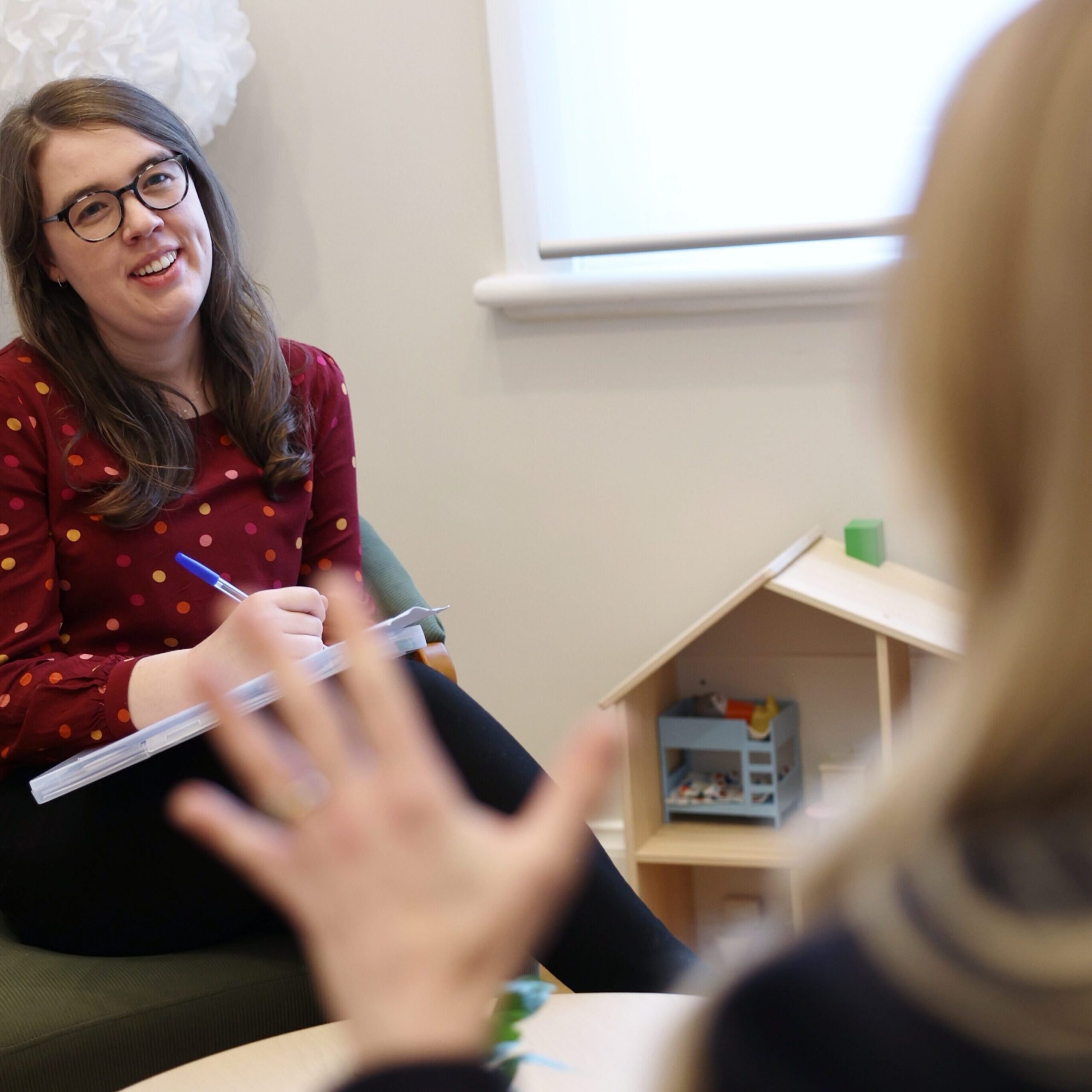
Comprehensive Interview
Covers early development, behaviour, strengths, interests and current concerns, using the MIGDAS-2 framework alongside a full developmental history.
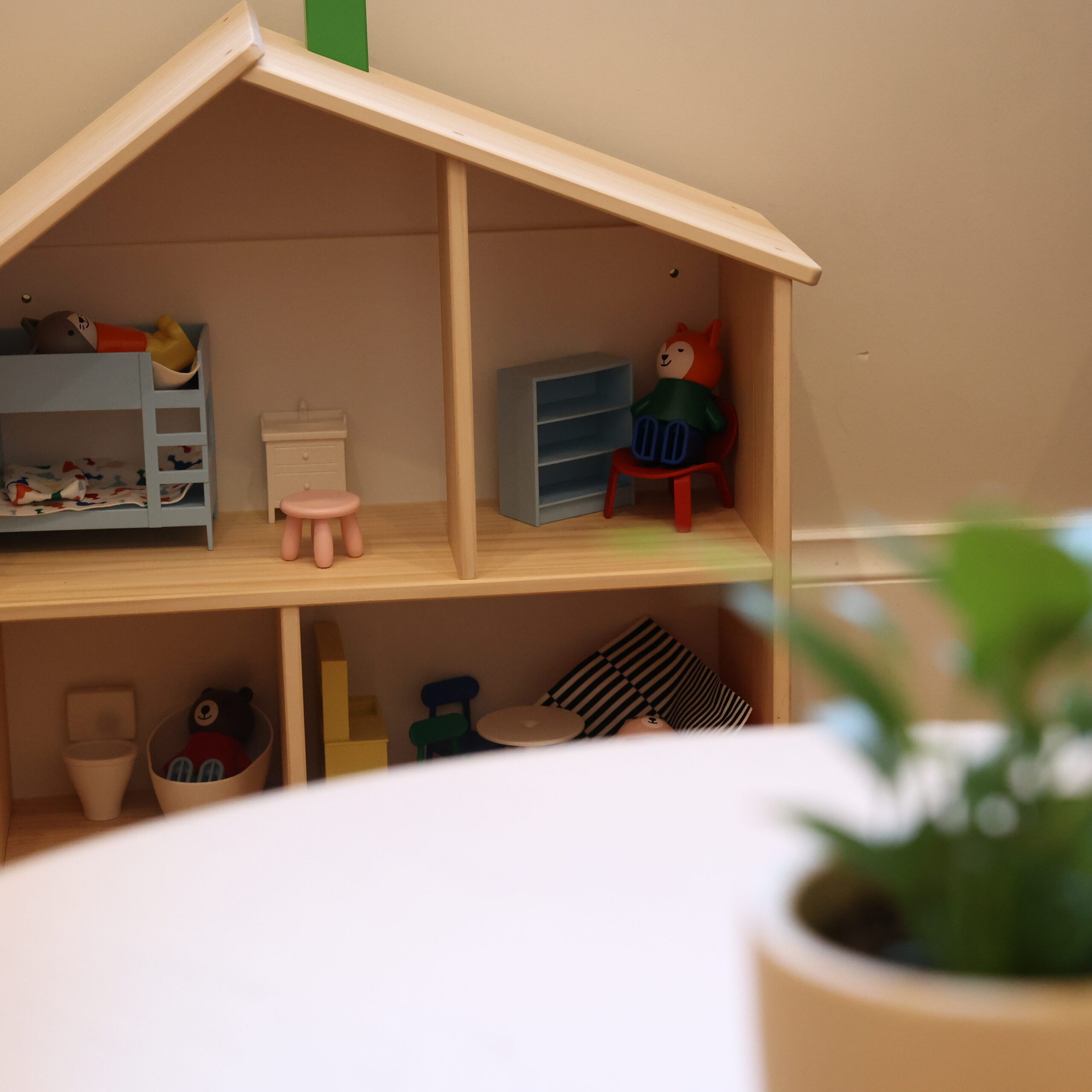
Play Assessment
Children only
An informal, observed play session — there’s no “right” way to behave here, it’s simply a natural environment to observe social, communication and behavioural patterns.
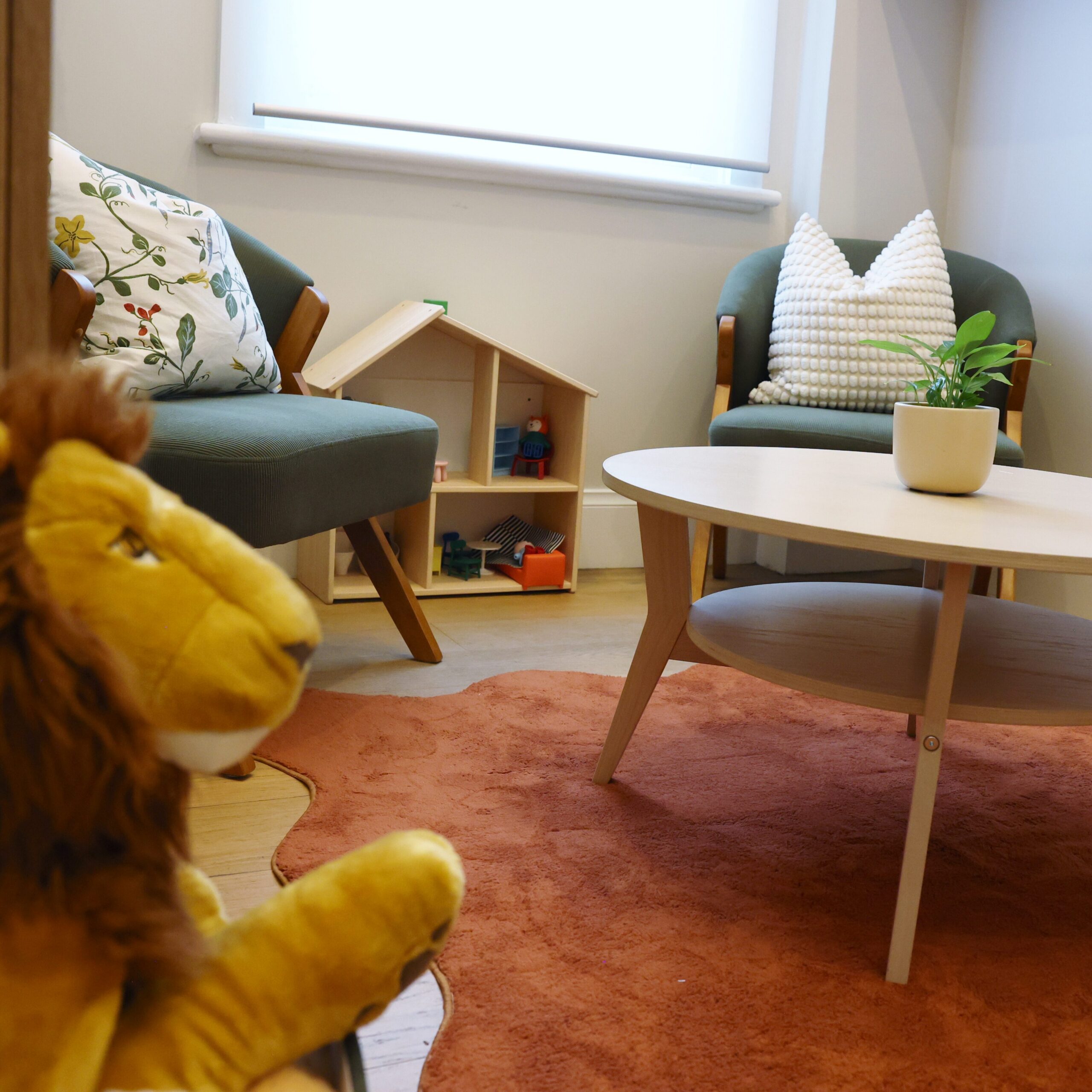
Kinder or School Observation
Children only
Where relevant, we observe your child at kinder or school to see how they interact with peers and educators in a familiar, structured setting.

Cognitive Assessment
Age-matched Wechsler testing (WPPSI-IV, WISC-V or WAIS-IV) to understand how the brain processes information.
- Verbal Comprehension
- Visual-Spatial Reasoning
- Fluid Reasoning
- Working Memory
- Processing Speed

Social-Emotional Questionnaires
Completed by you, and where relevant by parents, teachers, or other people who know you or your child well.
Report and Feedback
A written report covering strengths, challenges, diagnosis (where applicable) and specific recommendations, walked through in a dedicated feedback session. We call again two weeks later to check in on anything that’s come up since.
Getting Ready
How to prepare – and why there’s not much to do
There’s nothing to study or rehearse — this isn’t a test you can prepare for in the usual sense. A little reflection beforehand can still make the interview more useful, if it’s helpful to you.
Looking Back
- For a child: a baby book, old school reports or early videos can jog memories of developmental milestones
- For an adult: it can help to ask a parent or sibling what school and early childhood were actually like
Thinking About Now
- For a child: current play and social preferences, sensory needs, and what they’re genuinely good at
- For an adult: how you learn best, and where your interests and strengths tend to show up
Referral & Funding Options
No referral is required, though it can help to loop in a GP, paediatrician or existing care team.

Medicare (under 25)
A referral under the Complex Neurodevelopmental Disorders item — completed by a paediatrician or psychiatrist — unlocks:
- Up to 8 assessment sessions, usable across allied health providers, rebated at $101.55/session
- Up to 20 treatment sessions with a psychologist, also rebated at $101.55/session
Provisional psychologists aren’t Medicare-eligible, so their sessions don’t attract a rebate — reflected in their lower fee instead.

NDIS
Some assessments may be covered under your NDIS plan – speak to your Local Area Coordinator to find out.
Private Health
Some extras policies offer a partial rebate – speak to your health provider to confirm. Please note that provisional psychologists are not eligible to receive a rebate under some health insurers.
Fees
Comprehensive or brief – whichever fits
Comprehensive Assessment – Child/Adolescent
Provisional Psychologist
$2315
- Comprehensive Interview (2hrs)
- Play Assessment (1.5hrs)
- Cognitive Assessment)ment (2hrs
- Teacher Consultation (30min)
- Social-Emotional Questionnaires
- Report and Feedback (1.5hrs)
Registered Psychologist
$3155
- Comprehensive Interview (2hrs)
- Play Assessment (1.5hrs)
- Cognitive Assessment)ment (2hrs
- Teacher Consultation (30min)
- Social-Emotional Questionnaires
- Report and Feedback (1.5hrs)
Comprehensive Assessment – Adult
Provisional Psychologist
$1870
- Comprehensive Interview (2hrs)
- Cognitive Assessment (2hrs)
- Social-Emotional Questionnaires
- Report and Feedback (1.5hrs)
Registered Psychologist
$2550
- Comprehensive Interview (2hrs)
- Cognitive Assessment (2hrs)
- Social-Emotional Questionnaires
- Report and Feedback (1.5hrs)
If a cognitive assessment has already been completed elsewhere in the last 12 months, the comprehensive assessment fee may reduce — mention this at intake and we’ll confirm whether it applies.
Brief Assessment – Adult
Provisional Psychologist
$1135
- Comprehensive Interview (2hrs)
- Social-Emotional Questionnaires
- Diagnostic Letter (2-3 pages)
- Feedback (1hrs)
Registered Psychologist
$1535
- Comprehensive Interview (2hrs)
- Social-Emotional Questionnaires
- Diagnostic Letter (2-3 pages)
- Feedback (1hrs)
Frequently Asked Questions
Do I need a referral for an autism assessment?
No — you don’t need a referral to book an autism assessment with us. You can self-refer and get started whenever you’re ready.
A referral from a GP, paediatrician or school is always welcome and can be helpful if you’re hoping to access a Medicare rebate or want your assessment linked in with other supports you’re already seeing. If you’re not sure whether a referral applies to your situation, chat with our team first and we’ll talk you through what’s needed for your circumstances — including any Medicare or NDIS considerations.
How do I know if I need an autism assessment?
Common signs include differences in social communication, sensory sensitivities, a strong need for routine or predictability, intense interests, or finding social situations more exhausting than others seem to. Many adults are also prompted to seek an assessment after a child or family member is diagnosed. If any of this sounds familiar, chat with our team and we can help you work out if an assessment makes sense for you.
Can adults get assessed for autism, or is it only for children?
Yes — at Minds of All Kinds Psychology we provide autism assessments across the lifespan, including adults being assessed for the first time. Many adults are undiagnosed until later in life, particularly women and those who developed strong coping strategies early on. The process looks a little different for adults (less observation, more interview and self-report), but the outcome is the same: a clear, comprehensive diagnostic report.
How long does an autism assessment take?
An autism assessment is a multi-step process involving interviews, observation and standardised testing, so it isn’t completed in a single session. Timelines vary depending on age and individual circumstances — our team can give you a clearer estimate for your situation once we understand what’s needed.
What happens during an autism assessment?
The process typically includes an initial consultation, one or more assessment sessions combining interviews, observation and standardised tools, and a feedback session where you’re walked through the results and recommendations in plain language. You’ll never be left to interpret a report on your own.
Will I get a diagnosis at the end of an autism assessment?
You’ll receive a clear outcome either way — whether that’s a formal autism diagnosis, an explanation of what else might be going on, or a combination of both. Our reports are written in plain language so you understand exactly what the findings mean and what to do next.
Is an autism assessment covered by Medicare or NDIS?
Some rebates may apply depending on your circumstances and referral pathway. If you have an NDIS plan, our reports are prepared to support access requests and plan reviews. Get in touch and we can talk through what funding options are relevant to you.
Do I need a diagnosis to get support at school or work?
Not always — but a formal diagnosis often makes it easier to access specific accommodations, funding or documented support at school, university or in the workplace. At Minds of All Kinds Psychology, our reports are written with this in mind, including practical recommendations you can hand directly to a school or employer.
Can I get an autism assessment via telehealth?
Yes — at Minds of All Kinds Psychology we offer autism assessments in person at our Heidelberg and Fairfield clinics, as well as via telehealth for clients across Australia, depending on what the assessment requires.
What’s the difference between an autism assessment and an ADHD assessment?
They look at different things — autism assessments focus on social communication, sensory processing and behavioural patterns, while ADHD assessments focus on attention, impulsivity and executive functioning. Many people have both, which is why we often assess for co-occurring ADHD and autism (sometimes called AuDHD) where it’s relevant. If you’re not sure which applies to you, chat with us first and we’ll help point you in the right direction.
Looking for other services?

READY TO START THE PROCESS?
Get In Touch
Start with a short intake call — we’ll talk through what’s going on and confirm whether a comprehensive or brief assessment fits best.